
How much does a luxury packaging box cost?
September 16, 2025 • by Winners Packing
Are you shocked by luxury packaging quotes that seem impossibly high? You see a beautiful box and wonder why it costs more than some products inside. Let me reveal the true value behind these prices.
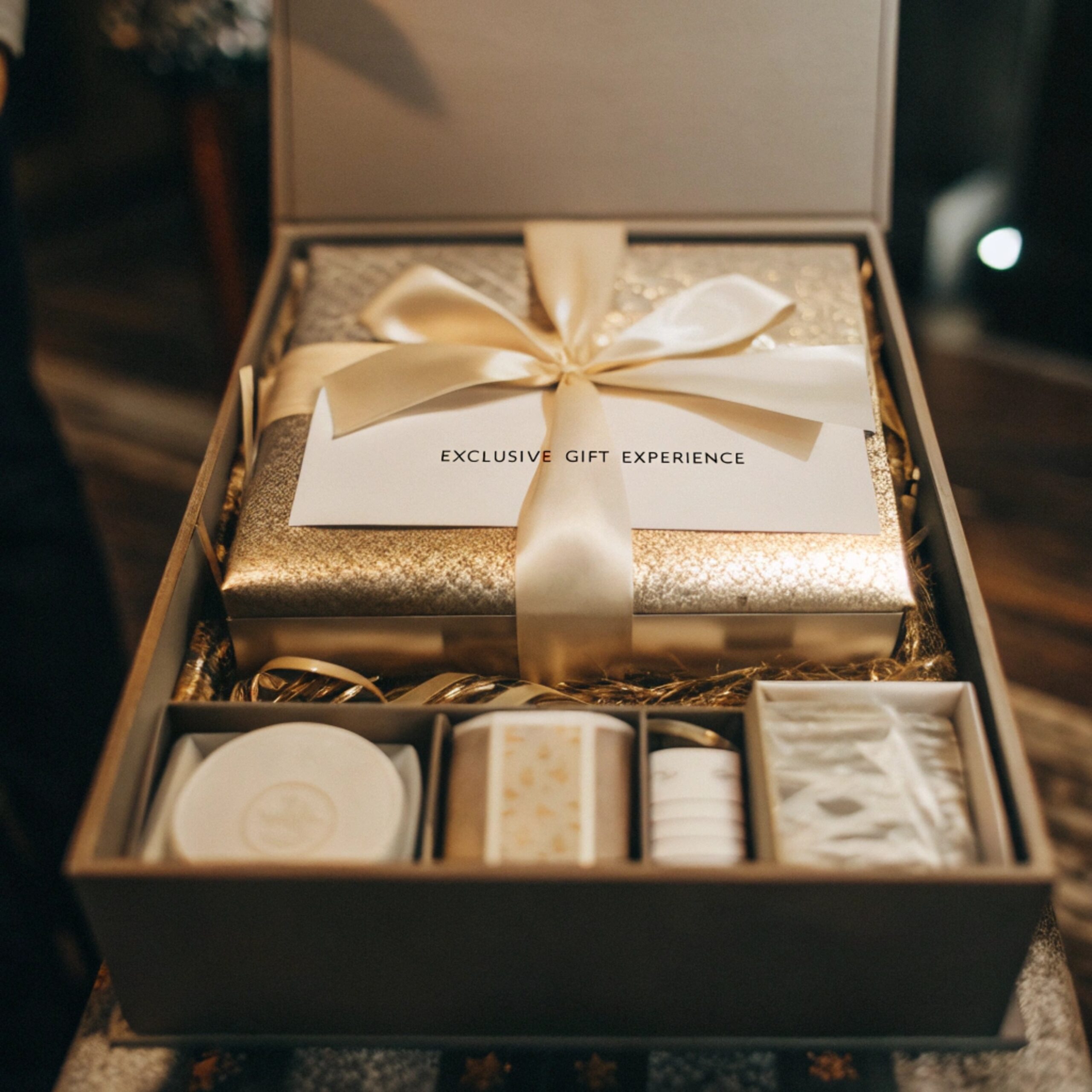
A luxury packaging box can range from $2 to $50 per unit depending on size, materials, and customization level. The cost reflects premium finishes, specialized printing, custom design work, and the brand experience it creates. Smart mid-range luxury packaging[1] delivers premium perception without breaking your budget.
Last year, I worked with a skincare brand that was struggling with their image. Their $35 serum came in a plain white box that looked like it should cost $10. We redesigned their packaging for just $4.50 per unit, and suddenly customers were asking if the price had increased. The product hadn’t changed—only the perception of value had transformed completely.
Let me break down exactly where your investment goes and why every dollar matters for mid-range luxury positioning.
Is a luxury box a good gift idea?
You want to give something memorable, but you wonder if spending on the box itself makes sense. Won’t people just throw it away after opening? This thinking misses the point entirely.
A well-designed luxury box is an exceptional gift idea because it creates a complete experience. Even at mid-range prices, the box becomes part of the gift itself, often reused long after the contents are consumed. It transforms any present into a special moment.
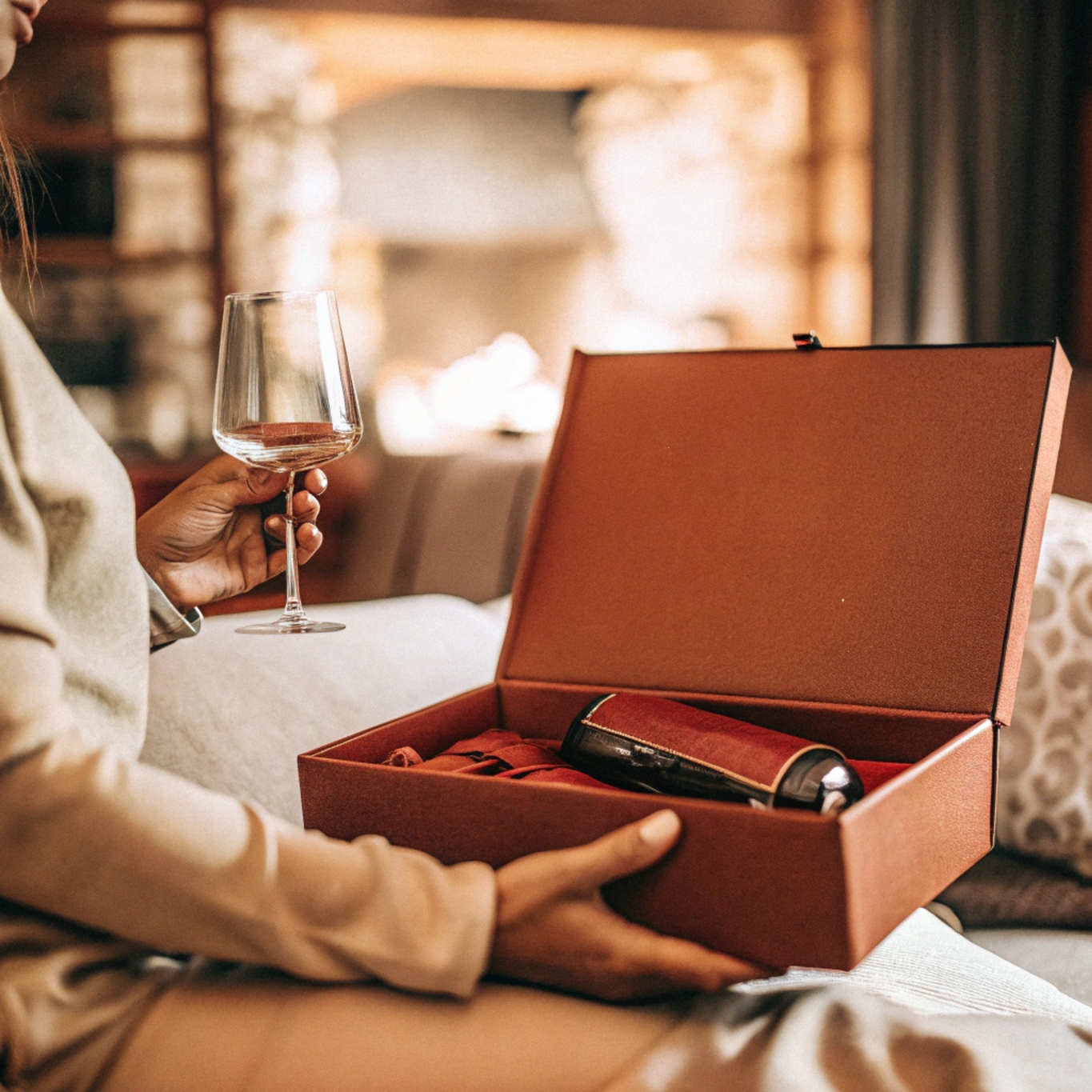
I designed a jewelry box for an online brand that cost $8.50 to produce. The box featured a hidden magnetic closure[2] and soft velvet lining that made a satisfying sound when opened. After receiving their orders, customers posted unboxing videos on social media, generating thousands of views. The brand owner told me, “Our packaging became our best marketing tool. People keep our boxes to store other jewelry, and every time they see it, they remember our brand.”
The secret is creating perceived luxury without extreme costs. We added a ribbon pull-tab that required a gentle tug to reveal the product inside—this simple $0.30 addition made customers feel like they were unwrapping a high-end boutique purchase. One customer wrote in a review, “The packaging made my $45 necklace feel like it cost $200. I actually felt guilty returning it because the box was so beautiful.”
Smart luxury boxes in the $3-15 range often get repurposed as storage containers, gift boxes for other occasions, or decorative elements in homes and offices. When your packaging has a second life, it continues marketing your brand long after the original purchase.
How do you make a box look luxurious?
You know luxury when you see it, but creating that feeling seems expensive and complicated. How do successful brands make affordable materials feel so premium? The secret lies in smart design choices and strategic upgrades.
Creating luxury appearance on a budget requires focusing on key touchpoints: smooth soft-touch coating[3]s, clean typography, strategic use of metallic accents, and satisfying tactile experiences. Small upgrades in the right places create disproportionate luxury perception.
I’ve discovered that customers can’t actually tell the difference between many expensive and affordable materials when they’re engineered correctly. Our “affordable luxury formula” focuses on the elements that matter most to perception while keeping costs reasonable for mid-market brands.
Here’s our proven approach for creating luxury feel at different price points:
| Price Range | Key Luxury Elements | Cost Impact | Perceived Value |
|---|---|---|---|
| $2-5 Range | Soft-touch coating + spot UV logo | +$0.80 per box | Feels 3x more expensive than plain box |
| $5-15 Range | Magnetic closure + foil stamping[4] + ribbon | +$2.30 per box | Creates premium unboxing experience |
| $15-35 Range | Textured paper + custom inserts + window cutout | +$6.50 per box | Rivals department store presentation |
| $35-50 Range | Rigid construction + fabric lining + metal hardware | +$12.80 per box | Matches high-end boutique quality |
Last month, I helped a candle company transform their $28 product presentation. We replaced their basic kraft box with a design featuring matte black finish, rose gold foil logo, and magnetic closure[2] for $6.20 per unit. Their average order value increased by 34% within two months because customers perceived the candles as premium gifts worth buying multiples of.
Why are gift boxes so expensive?
You see quotes for custom boxes and the prices seem high for what looks like simple cardboard. How can basic materials and printing justify these costs? The expense comes from hidden complexity and quality requirements.
Gift boxes cost more because of setup fees, minimum quantities, custom tooling requirements, and quality control standards. However, smart planning and working with experienced suppliers can achieve luxury results within reasonable budgets for most businesses.

Many clients don’t understand the true cost drivers in custom packaging. The biggest expense isn’t always materials—it’s often the setup and engineering work. For a magnetic closure box, we need to create precise die-cutting templates, calibrate magnetic strength, and test closure alignment. This setup work costs the same whether you order 500 boxes or 5000 boxes.
I always explain the “hidden cost iceberg” to new clients. What you see is the finished box, but underneath are costs for design development, prototype creation, tooling setup, color matching, quality testing, and skilled labor. A $8 rigid box might break down as: $2.80 materials, $1.60 labor, $1.20 setup costs, $1.40 quality control, and $1.00 profit margin.
Smart buyers reduce costs through strategic planning. Ordering larger quantities spreads setup costs across more units. Choosing standard sizes avoids custom tooling fees. Working with suppliers who understand your market helps balance quality and budget effectively. I’ve helped clients reduce their packaging costs by 40% simply by adjusting specifications while maintaining the luxury appearance they needed.
What are luxury boxes made of?
You might think luxury requires the most expensive materials available, but smart material selection can achieve premium results within reasonable budgets. Modern packaging offers many options between basic and ultra-premium.
Mid-range luxury boxes typically use high-quality cardboard with premium coatings, synthetic materials that mimic expensive textures, and strategic accents like foil stamping or embossing. The key is choosing materials that photograph well and feel substantial in hand.
I work with brands to find the sweet spot between cost and perception. We’ve developed material combinations that deliver 80% of the luxury feel at 40% of premium material costs. The secret is understanding which elements customers notice most and investing strategically in those areas.
Here’s my recommended material approach for different budget levels:
| Price Range | Materials & Construction |
|---|---|
| Budget Luxury ($2-8) | 350gsm cardboard with matte lamination, printed liner, basic magnetic closure |
| Mid-Range Luxury ($8-20) | Rigid board construction, soft-touch coating, foil accents, custom foam insert |
| Premium Mid-Market ($20-35) | Textured specialty papers, fabric ribbon, metal grommets, window cutouts |
| High-End Accessible ($35-50) | Book-board construction, cloth wrapping, metal hardware, multi-compartment design |
One of my e-commerce clients selling $60 skincare sets chose our $12 packaging solution with soft-touch coating and rose gold foil. Their return rate dropped by 18% because customers felt the products matched the premium presentation. The packaging investment of $12 per order prevented $240 in returns and increased customer lifetime value significantly.
Sustainability also adds value without extreme cost increases. We offer recycled content options and plant-based coatings that appeal to environmentally conscious consumers while adding only $1-3 to costs. Many customers willingly pay slightly more for brands that demonstrate environmental responsibility through thoughtful sustainable luxury materials[5] choices.
Conclusion
Smart luxury packaging delivers premium perception at accessible prices. The best investment creates customer satisfaction and brand loyalty that far exceeds the packaging cost difference.
References
[1] Discover what mid-range luxury packaging entails and how it can provide a balance between quality and cost.
[2] Discover how a magnetic closure can elevate the unboxing experience and add perceived value to your products.
[3] Discover how soft-touch coating can create a luxurious feel and improve customer perception of your products.
[4] Explore the benefits of foil stamping in creating eye-catching luxury packaging that stands out.
[5] Explore innovative sustainable materials that can enhance your packaging while appealing to eco-conscious consumers.
